
Digital Privacy for Gamers: Why It Matters and How to Improve It
Digital Privacy for Gamers: Why It Matters and How to Improve It
In the ever-expanding universe of online gaming, players create vibrant personas, forge alliances, and immerse themselves in fantastical worlds. Yet, beneath this captivating surface lies a landscape fraught with digital privacy risks. From the invasive threat of doxxing to the persistent sting of targeted harassment, gamers face a unique set of challenges that can spill over from their virtual lives into the real world. This article delves into the critical importance of digital privacy for gamers and provides a comprehensive guide on how to fortify your online defenses, ensuring your gaming experience remains both thrilling and secure.
The High-Stakes Game of Digital Privacy: Understanding the Risks
The allure of online gaming often overshadows the potential dangers lurking in the digital shadows. Every interaction, every piece of information shared, can be a potential vulnerability. Understanding these risks is the first step toward safeguarding your digital identity.
Doxing: When Your Real World is Invaded
Doxxing is the malicious act of researching and publicly broadcasting private information about an individual without their consent. For gamers, this can mean having their real name, address, phone number, and even workplace information exposed to a hostile online community. The consequences can range from incessant online harassment to real-world threats, including "swatting," where a prank call is made to emergency services, resulting in a heavily armed police response to the victim's home.
Targeted Harassment and Cyberbullying: A Persistent Threat
The competitive and often anonymous nature of online gaming can sometimes foster toxic environments. A study revealed that a significant percentage of gamers have experienced some form of harassment.[1] This can manifest as relentless verbal abuse, threats, and hate speech based on gender, ethnicity, or sexual orientation.[1] Such targeted harassment can have severe psychological effects, leading to anxiety, depression, and a withdrawal from the gaming community.[2][3]
Account Hacking and Financial Theft: Your Digital Assets at Risk
Gaming accounts are valuable commodities for cybercriminals. They can contain not only countless hours of gameplay progress but also sensitive personal and financial information. Hackers employ various methods, such as phishing scams and malware, to gain unauthorized access to accounts.[4] Once compromised, these accounts can be sold on the dark web, or the stored payment information can be used for fraudulent purchases.[5][6][7] The gaming industry has seen numerous high-profile data breaches, affecting major companies like Ubisoft, Electronic Arts, and Nintendo, exposing the data of millions of users.[5][6][8][9][10]
Fortifying Your Digital Fortress: Key Steps to Enhance Your Privacy
Protecting your digital self in the gaming world requires a proactive and multi-layered approach. By implementing the following strategies, you can significantly reduce your vulnerability to online threats.
1. Separate Your Gaming Persona from Your Real-World Identity
This is the cornerstone of digital privacy for gamers. Creating a distinct separation between your online avatar and your real-life self minimizes the risk of doxing and harassment.
- Choose a Unique and Anonymous Username: Your gamertag should not contain any personally identifiable information, such as your real name, birthdate, or location.[11][12] Avoid using the same username across different platforms.
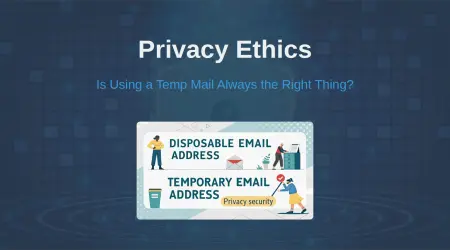
- Use a Dedicated Gaming Email Address: When signing up for gaming accounts, refrain from using your primary personal or work email. Instead, create a new email address solely for your gaming activities. For an added layer of privacy, consider using a disposable temporary email for signing up for new games or platforms you're trying out.[13][14][15] This helps to minimize spam and protects your primary inbox from potential data breaches.[13][14]
- Be Mindful of What You Share: Exercise caution when sharing personal information in in-game chats, forums, or on social media profiles linked to your gaming accounts.[11][12][16] Even seemingly harmless details can be pieced together by malicious actors.
2. Secure Your Gaming Accounts
Your gaming accounts are the gateways to your virtual life. Keeping them secure is paramount.
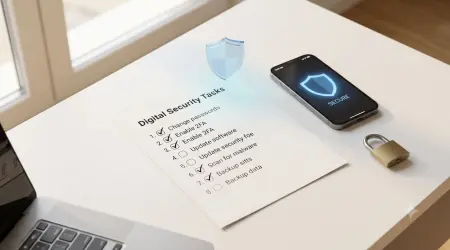
- Create Strong and Unique Passwords: Use a complex combination of uppercase and lowercase letters, numbers, and symbols for your passwords.[4][17][18][19] Avoid using the same password for multiple accounts.[4][17][20] A password manager can help you generate and store strong, unique passwords for all your accounts.[19][20]
- Enable Two-Factor Authentication (2FA): 2FA adds a critical layer of security by requiring a second form of verification, such as a code sent to your phone, in addition to your password.[4][17][18][19][20][21] Most major gaming platforms, including Steam, Xbox Live, and PlayStation Network, offer 2FA.[19]
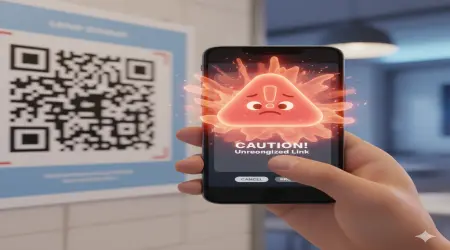
- Beware of Phishing Scams: Be cautious of emails or messages that appear to be from gaming companies asking for your login credentials or personal information.[4][18] These are often phishing attempts designed to steal your data. Legitimate companies will never ask for your password via email. To learn more about identifying and avoiding these scams, you can find valuable information on avoiding phishing scams.
3. Manage Your Online Interactions
The social aspect of gaming is a major draw, but it's also where many privacy risks arise.
- Utilize Privacy Settings: Gaming platforms and individual games offer a range of privacy settings that allow you to control who can see your online status, send you messages, and view your profile.[11][17] Take the time to review and customize these settings to your comfort level.
- Be Selective with Your Friends List: Only add people you know and trust to your friends list. Be wary of unsolicited friend requests from strangers.
- Mute, Block, and Report Harassment: If you encounter toxic behavior, don't hesitate to use the in-game tools to mute or block the offending player.[22] Report any instances of harassment or cyberbullying to the game's moderators or support team.[23] This not only protects you but also helps to create a safer environment for the entire community. Responding to trolls often fuels their behavior, so ignoring them can be an effective strategy.[23][24][25][26]
4. Secure Your Gaming Environment
The security of your devices and network is just as important as the security of your accounts.
- Use a Virtual Private Network (VPN): A VPN encrypts your internet traffic and masks your IP address, making it much more difficult for others to track your online activity or launch DDoS (Distributed Denial of Service) attacks against you.[27][28][29][30][31] This is particularly important when gaming on public Wi-Fi networks.[17][27]
- Keep Your Software Updated: Regularly update your operating system, gaming clients, and antivirus software.[17][19] These updates often contain crucial security patches that protect you from the latest threats.
- Be Cautious with Downloads: Only download games and mods from official and reputable sources. Pirated games and unofficial software can contain malware and keyloggers designed to steal your information.[4][17]
5. For Parents: Creating a Safe Gaming Space for Children
For parents, ensuring a child's digital privacy while gaming requires an extra layer of vigilance.
- Educate Your Children: Talk to your children about the risks of online gaming, including sharing personal information and interacting with strangers.[32]
- Use Parental Controls: Most gaming consoles and platforms offer robust parental controls that allow you to manage your child's playtime, in-game purchases, and communication with other players.[33][34][35][36]
- Monitor Their Activity: Keep an eye on the games your children are playing and who they are interacting with. Encourage them to come to you if they encounter anything that makes them feel uncomfortable.[32] For more insights on this, a guide on how to protect your online identity can be a useful resource.
The Endgame: Taking Control of Your Digital Privacy
The world of online gaming offers endless opportunities for entertainment, competition, and social connection. However, to fully enjoy these experiences, it's essential to be aware of and actively manage the associated privacy risks. By taking a proactive approach to separating your gaming and real-world identities, securing your accounts and devices, and being mindful of your online interactions, you can create a safer and more enjoyable gaming environment. Your digital privacy is in your hands—play smart and stay secure.
Written by Arslan – a digital privacy advocate and tech writer/Author focused on helping users take control of their inbox and online security with simple, effective strategies.