
How to Spot and Avoid "Free Skins" & Other In-Game Scams 2026
How to Spot and Avoid "Free Skins" & Other In-Game Scams 2026
In the vibrant and ever-expanding universe of online gaming, the allure of exclusive skins, powerful in-game items, and coveted virtual currency is undeniable. These digital assets not only enhance the gaming experience but also serve as status symbols within the community. However, this high demand has created a fertile breeding ground for scammers and malicious actors looking to exploit unsuspecting players. The promise of "free skins" and "free currency" is a tantalizing bait that often leads to devastating consequences, ranging from account theft and financial loss to malware infections and identity theft. This article will delve into the various types of in-game scams, provide you with the knowledge to spot them, and equip you with the strategies to protect yourself and your valuable digital assets.
The Psychology Behind In-Game Scams: Why We Fall for Them
Before we dissect the anatomy of these scams, it's crucial to understand the psychological triggers that scammers exploit. The desire for rare or exclusive in-game items can create a sense of urgency and a fear of missing out (FOMO). Scammers prey on these emotions, crafting offers that seem too good to pass up. They create a sense of scarcity by claiming that the "free" items are available for a limited time only or to a select few. This can lead even the most cautious gamers to let their guard down and make impulsive decisions.
Common In-Game Scams and How to Recognize Them
Scammers are constantly evolving their tactics, but many of their methods share common red flags. By familiarizing yourself with these a common scam tactics, you can significantly reduce your risk of becoming a victim.
1. Phishing Websites: The Deceptive Clones
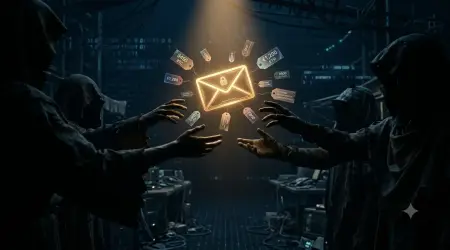
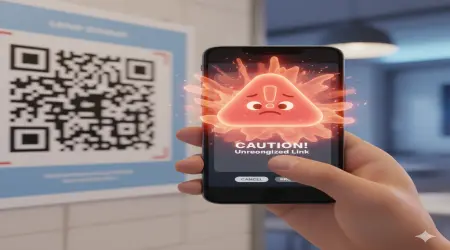
Phishing remains one of the most prevalent methods used by scammers. Here's how it typically works: you encounter a link on social media, in a direct message, or on a forum that promises free skins or currency. This link directs you to a website that looks identical to the official game login page. However, it's a fraudulent replica designed to steal your credentials. Once you enter your username and password, the scammers have full access to your account.
How to Spot a Phishing Website:
- Check the URL: Always double-check the website's address. Scammers often use URLs that are slightly misspelled or use different domain extensions (e.g., ".net" instead of ".com").
- Look for HTTPS: Legitimate websites use HTTPS to encrypt your connection. While not a foolproof guarantee of safety, the absence of "https:// " is a major red flag.
- Poor Grammar and Design: Phishing sites often have typos, grammatical errors, and low-quality images.
- Unrealistic Promises: If an offer seems too good to be true, it almost certainly is. Game developers rarely, if ever, give away valuable items for free through third-party websites.
2. Malware-Laden Downloads: A Trojan Horse for Your Devices
Another common tactic involves tricking you into downloading malicious software. Scammers will offer "cheat codes," "mods," or "hacks" that promise to unlock free items or give you an unfair advantage in the game. These downloads are often bundled with malware, such as keyloggers that record your keystrokes (including your passwords), ransomware that holds your files hostage, or spyware that steals your personal information.
How to Avoid Malware:
- Only Download from Official Sources: Never download game-related files from unofficial websites or forums. Stick to the official game client and trusted platforms like Steam or the Epic Games Store.
- Be Wary of "Cheat" and "Hack" Tools: Using these tools not only puts you at risk of malware but can also result in a permanent ban from the game.
- Use a Reputable Antivirus: A good antivirus program can detect and block many types of malware before they can do any damage. For more information on protecting your devices, you can refer to our guide on how gamers can protect their PC and Privacy.
3. "Free Currency" Generators: The Illusion of Free Money
You've likely seen them advertised in YouTube comments or on shady websites: "free V-Bucks generators," "free Robux generators," and so on. These tools claim to generate unlimited in-game currency for free. In reality, they are designed to steal your account information or trick you into completing surveys or downloading unwanted applications. In the worst-case scenario, they can be used to install malware on your device.
How to Recognize a Fake Generator:
- They Ask for Your Password: Legitimate services will never ask for your password.
- They Require "Human Verification": This is a common tactic to get you to complete surveys or download apps, which generates revenue for the scammers.
- They Don't Work: No legitimate method exists to generate free in-game currency outside of the game itself.
4. Social Engineering and In-Game Chat Scams: The Human Element
Scammers often use social engineering tactics to manipulate you into giving up your account information or items. They may pose as a game moderator or an employee of the game's developer and ask for your login details to "verify" your account or to investigate a non-existent issue. They may also try to befriend you and then ask to "borrow" a rare item, only to disappear with it.
How to Protect Yourself from Social Engineering:
- Be Skeptical of Unsolicited Messages: Game developers and moderators will never ask for your password.
- Don't Trust Strangers with Your Items: Never trade or lend your in-game items to people you don't know and trust in real life.
- Use Two-Factor Authentication (2FA): 2FA adds an extra layer of security to your account, making it much harder for scammers to gain access even if they have your password. Our article on Online Gaming: Privacy Risks and Strategies provides more information on securing your accounts.
Real-World Examples of Gaming Scams
To illustrate the real-world impact of these scams, let's look at a few examples. In one case, a 15-year-old gamer was tricked by a phishing link in an in-game chat that promised exclusive IPL-themed skins. After entering his login details on a fake website, he lost access to his account, and his father's linked UPI account was used to make fraudulent purchases. In another instance, scammers created fake "PUBG Mobile" tournaments and offered free in-game currency to lure players into paying "entry fees" and sharing their login details, leading to financial losses and compromised Google Play accounts.
How to Protect Yourself: A Proactive Approach to Gaming Security
Now that you're aware of the common scams, here are some proactive steps you can take to protect yourself and your accounts:
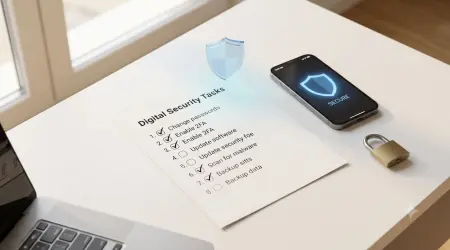
- Enable Two-Factor Authentication (2FA): This is the single most effective way to secure your gaming accounts.
- Use Strong, Unique Passwords: Avoid using the same password for multiple accounts. A password manager can help you create and store strong, unique passwords for all of your accounts.
- Be Wary of "Too Good to Be True" Offers: If an offer seems too good to be true, it probably is.
- Only Use Official Websites and Stores: Never click on suspicious links or download files from untrusted sources.
- Keep Your Software Updated: This includes your operating system, your game clients, and your antivirus software.
- Educate Yourself and Others: Share this information with your friends and family to help them stay safe online.
The Bigger Picture: Your Digital Footprint and Online Privacy
In-game scams are just one facet of the broader issue of online privacy and security. The information you share online, even in a gaming context, can be used against you. It's essential to be mindful of your digital footprint and to take steps to protect your privacy. Using a temporary email address when signing up for new gaming accounts or services can be an effective way to protect your primary email address from spam and phishing attempts. For more on this, you can check out our article on Online games: 5 risks to your online security and privacy.
Conclusion: Play Smart, Stay Secure
The world of online gaming should be a source of enjoyment and entertainment, not a source of stress and financial loss. By staying informed, being skeptical of unsolicited offers, and taking proactive steps to secure your accounts, you can protect yourself from the vast majority of in-game scams. Remember, the most valuable asset you have in the digital world is your awareness. Play smart, stay secure, and keep your hard-earned loot safe from the clutches of scammers.
Written by Arslan – a digital privacy advocate and tech writer/Author focused on helping users take control of their inbox and online security with simple, effective strategies.